-
Discussion
-
One of the most frustrating experiences for a vehicle owner is noticing a sudden, unexplained drop in fuel efficiency. We are all accustomed to the warning signs of a failing engine—the dreaded “Check Engine” light, persistent misfires, or strange grinding noises. However, a significant increase in fuel consumption without any accompanying diagnostic trouble codes (DTCs) can feel like a mystery that even the most observant drivers struggle to solve. Modern vehicle management systems are incredibly sophisticated, yet they are not infallible. They rely on a suite of sensors to balance air-fuel ratios, and sometimes, a component can drift just far enough outside of its optimal range to waste fuel, but not far enough to trigger a formal error code.
The Subtle Influence of Sensor Drift and Calibration
The primary reason a vehicle may burn more fuel without flagging a fault code is the phenomenon of sensor drift. The Engine Control Unit (ECU) relies heavily on inputs from the Mass Air Flow (MAF) sensor and the Oxygen ($O_2$) sensors to determine exactly how much fuel to inject into the cylinders. Over time, these sensors can become coated in microscopic layers of oil vapor, carbon buildup, or road grime. While the sensor is still sending a signal—meaning the ECU does not register an “open circuit” or a “short”—the signal is no longer accurate. The ECU might be receiving data that suggests there is more air entering the engine than there actually is, leading it to over-compensate with a richer fuel mixture. This results in poor fuel economy that remains “invisible” to the car’s computer.
Identifying Mechanical Drag and Rolling Resistance
Sometimes, the engine is performing perfectly, but the vehicle is fighting against itself through mechanical drag. Many drivers overlook the basics, such as tire pressure or brake caliper drag, when diagnosing fuel loss. If even a single brake caliper is slightly “stuck” due to rusted slide pins or a weak return spring, the vehicle is effectively driving with a brake constantly applied. This creates significant rolling resistance that the engine must work harder to overcome, leading to an immediate spike in fuel usage. Similarly, if your tires are consistently under-inflated, the increased surface contact area creates more friction with the road. These mechanical issues do not communicate with the ECU, so your dashboard remains blissfully clear of warnings. Mastering the art of physical vehicle inspection—checking everything from wheel alignment to the free movement of rotating assemblies—is a critical skill taught in a car mechanic course. By systematically eliminating these physical bottlenecks, you can often restore your fuel economy to its original factory standards.
The Impact of Wear in the Air Intake and Exhaust Systems
Beyond sensors and tires, the physical path that air takes through your engine can become restricted or compromised. An engine is essentially a giant air pump; anything that inhibits the smooth flow of air or exhaust gases forces the engine to expend more energy to maintain speed. A clogged or restrictive air filter is an obvious culprit, but internal issues like carbon buildup on the intake valves or a restricted exhaust catalyst can also cause efficiency to plummet. When exhaust flow is hindered, the engine cannot “breathe” effectively, which forces the combustion cycle to work against higher back-pressure. These issues develop so slowly that many drivers adapt their driving habits without realizing it, ignoring the gradual decline in miles per gallon. Dedicated training in a car mechanic course helps students learn to recognize the subtle performance indicators of restricted airflow, enabling them to suggest the correct maintenance steps—like professional induction cleaning or exhaust system inspections—to keep the vehicle running at peak efficiency.
Cultivating a Proactive Approach to Vehicle Maintenance
The best way to avoid the “mystery” of declining fuel economy is to transition from a reactive mindset to a proactive one. Don’t wait for a warning light to illuminate before you show your vehicle some attention. Regularly scheduled maintenance, including the cleaning of throttle bodies, the inspection of ignition timing, and the verification of fuel pressure, can prevent these efficiency-robbing issues from ever taking root. When you understand the underlying engineering principles of how fuel, air, and ignition timing interact, you are no longer at the mercy of your vehicle’s dashboard alerts. This level of technical literacy is exactly what professional-grade instruction offers.
wisecampus.org.uk
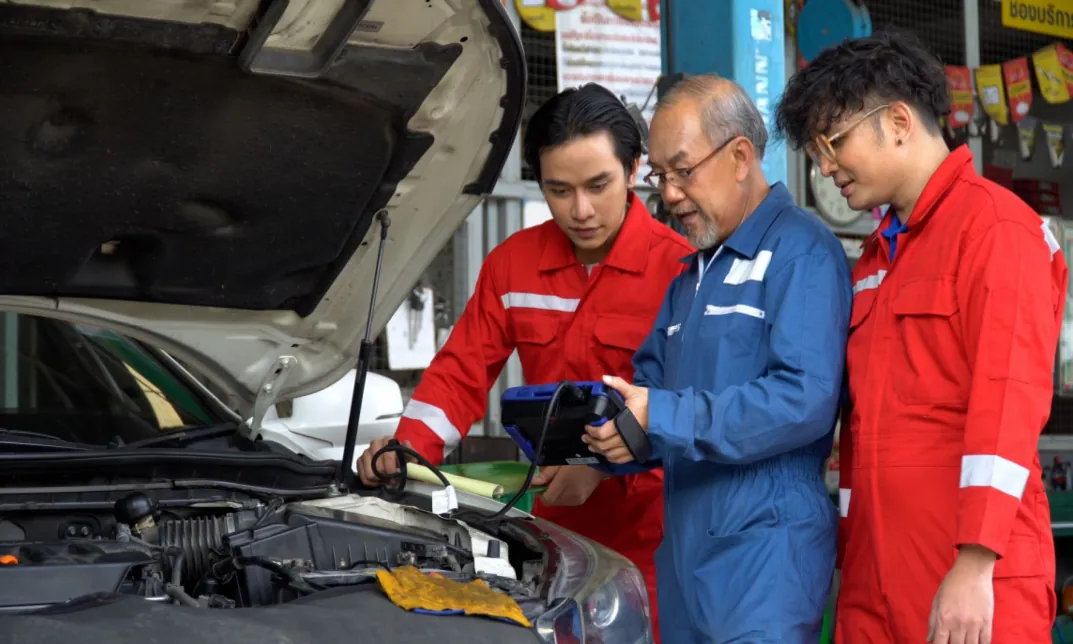
Car Mechanic Training Online Course with Free PDF Certificate
Learn vehicle maintenance and repair skills with our Car Mechanic Training online course designed for beginners and professionals.