-
Discussion
-
As temperatures plummet and the threat of freezing rain becomes a reality, homeowners often find their outdoor heat pump units struggling to maintain efficiency. The sight of a unit encased in a thick, translucent layer of ice is not only concerning but can also lead to significant mechanical strain if left unchecked. Understanding why this happens and how to intervene safely is a critical skill for any homeowner looking to extend the lifespan of their system. While minor frost is a natural part of a heat pump’s defrost cycle, an accumulation of ice from freezing rain can overwhelm the unit’s sensors and mechanical components.
Understanding the Mechanics of Heat Pump Defrosting Cycles
To manage ice buildup, one must first appreciate how an outdoor unit functions during cold weather. Heat pumps operate by extracting ambient heat from the outside air and moving it indoors. When the temperature drops, the coils on the outdoor unit can become colder than the freezing point of water, causing moisture in the air to condense and freeze on the surface. To mitigate this, the system is designed with an automatic defrost mode that periodically reverses the refrigerant flow to warm up the coils and melt the frost. However, freezing rain introduces liquid water that freezes upon contact with the entire chassis, not just the coils. This external icing can block the airflow required for the heat exchange process. Proper maintenance requires that you keep the area around the unit clear and understand when to intervene manually. Studying the curriculum within a professional heating ventilation air conditioning course will help you understand the delicate interplay between refrigerant pressures, sensor calibrations, and airflow dynamics that keep these systems running optimally during extreme weather.
Practical Steps for Safe Ice Removal and Prevention
When faced with a significant ice storm, your primary goal is to maintain the unit’s ability to breathe without causing damage to the delicate fins or internal components. Never use sharp objects, screwdrivers, or heavy tools to chip away at the ice, as you risk puncturing the coils and causing a catastrophic refrigerant leak. Instead, the safest method is to carefully clear away any icicles hanging from the roofline above the unit, as these are a major source of localized icing. If the unit is already frozen, using a gentle application of warm—never boiling—water can help clear critical areas like the drainage holes at the base of the cabinet. For more intensive care, some technicians recommend installing a heat pump cover during the summer that can be removed for winter, or ensuring the unit is elevated on a sturdy stand to prevent it from sitting in a pool of standing, frozen water. Gaining a formal education in heating ventilation air conditioning ensures that you learn the industry-standard safety practices for working with electrical and mechanical hardware under adverse conditions.
When to Call in a Professional Technician
Despite your best efforts to keep the unit clear, there are times when mechanical failure is the true culprit behind persistent ice buildup. A malfunctioning reversing valve, a faulty defrost sensor, or a low refrigerant charge can all cause the system to freeze up even when there is no freezing rain. If you notice that your unit is entering the defrost cycle constantly, or if the unit is failing to heat your home effectively, it is time to stop the DIY approach and call a certified expert. A professional will have the specialized tools, such as manifold gauges and thermal imaging cameras, to identify issues that are invisible to the naked eye. By pursuing your own path in the heating ventilation air conditioning industry, you gain the expertise to not only troubleshoot your own home systems but also to provide essential services to your community, ensuring that homes stay warm and efficient even in the harshest winter conditions.
Long-term Strategies for Winter Climate Readiness
The most successful approach to heat pump care is a proactive one. Before the winter season begins, ensure that the outdoor unit is inspected for debris, that the fan motor is lubricated, and that the electrical contacts are clean and secure. An efficient, well-maintained system is much more resilient to the challenges of freezing rain than one that is already struggling with mechanical fatigue. Consider the placement of your unit; if it is positioned in an area prone to high winds or direct runoff from gutters, it will be significantly more susceptible to ice buildup. If you are looking to make your home more resilient or are considering a professional pivot, the knowledge acquired through a heating ventilation air conditioning certification provides the foundation for sustainable home energy management. By mastering these principles, you protect your investment, lower your energy bills, and ensure that your heating system remains a reliable comfort through even the most challenging winter storms.
trainingtale.org
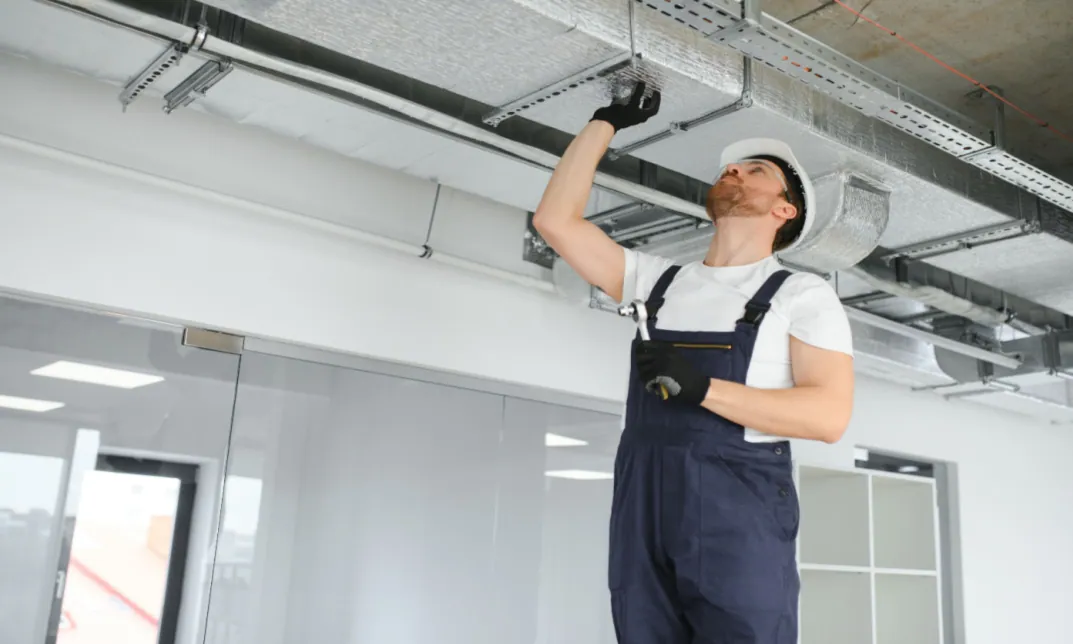
Heating Ventilation And Air Conditioning (HVAC) Technician Course
Learn to install, repair, and maintain HVAC systems with our online course. Perfect for anyone looking to start a career as an HVAC technician.